The First Hour: A 7 step Backbone
Use this as your spine. Each step has a sub list below.
- Stop the water source
- Cut the power to affected areas
- Get people and pets out of the wet zone
- Document everything with your phone
- Move and elevate what you can save
- Start surface water removal
- Call a certified restoration contractor
Step 1: Stop the Water (Minutes 0 to 5)
You cannot dry a house that is still flooding. Find the source.
- Supply line under a sink: turn the angle stop clockwise
- Toilet: shut the valve behind the bowl
- Water heater: close the cold inlet valve on top
- Burst pipe in a wall: go straight to the main shutoff
- Main shutoff: usually in the basement, crawl space, or near the water meter
- Sewage backup: stop running water in the house, do not flush
- Dishwasher or washing machine: pull the appliance forward and close the hot and cold valves on the wall
- Refrigerator ice maker: follow the copper or braided line back to its saddle valve
If the leak is from outside (storm, foundation crack, roof), skip ahead. See our notes on foundation crack water intrusion for that scenario.
Tip for Sheffield Park homes: if you cannot find the main shutoff, look for the water meter pit in the front yard near the curb. A meter key (or a long flathead screwdriver in a pinch) will close the curb stop.
Common First-Hour Mistakes
- Using bath towels on hardwood (the dye bleeds and the water sits)
- Turning on ceiling fans before checking the ceiling cavity for water weight
- Lifting wet carpet to "check" the pad (you tear the seams)
- Throwing damaged items away before photographing them
- Waiting for the insurance adjuster before starting mitigation. Your policy requires you to mitigate
- Assuming a small leak is a small loss. Water travels through subfloor and wall cavities for hours
- Plugging space heaters into wet outlets to "dry things faster"
- Mopping up sewage water without gloves, boots, and eye protection
Step 3: Clear the Zone (Minutes 10 to 15)
People first, then pets, then valuables.
- Kids and elderly family members out of the wet area
- Pets confined to a dry room with water and food
- No bare feet, no flip flops. Closed shoes only
- If you smell sewage or see grey or black water, treat it as contaminated
- Anyone with a compromised immune system stays out of the affected zone entirely
- Keep a clear path from the wet area to an exit. Wet floors and rushed movement are a fall risk
Step 5: Salvage Triage (Minutes 25 to 40)
Not everything is worth saving in the first hour. Prioritize what loses value fastest when wet.
- Move immediately: electronics, documents, photo albums, leather goods, upholstered furniture
- Elevate in place: wood furniture legs on foil or foam blocks to stop wicking
- Pull up: area rugs (they bleed dye into carpet and hardwood)
- Leave for the crew: wall to wall carpet, pad, soaked drywall, insulation
- Do not lift: sagging ceilings. Puncture from below to drain only if safe
- Bag and label: small items going into another room, so the adjuster can match them to your inventory
What to Have Ready Before the Next Emergency
The fastest first hour starts before the leak. Spend 20 minutes this weekend on the following:
- Tag your main water shutoff with a bright zip tie so anyone can find it
- Teach every adult in the house how to close it
- Keep a shop vac, a stack of microfiber towels, and a headlamp in the garage
- Photograph each room while it is dry and clean. Save those photos to the cloud
- Store a copy of your insurance policy and agent contact in your phone
- Save Sheffield Park Water Restoration in your contacts now, not while standing in two inches of water
Where the First Hour Actually Saves You Money
Here is what fast action does to your loss, based on what we see across Central Indiana jobs:
When to Stop DIY and Step Back
Knowing your limit is part of the first hour. Call for help immediately if any of the following are true:
- Water has reached an electrical panel, furnace, or gas appliance
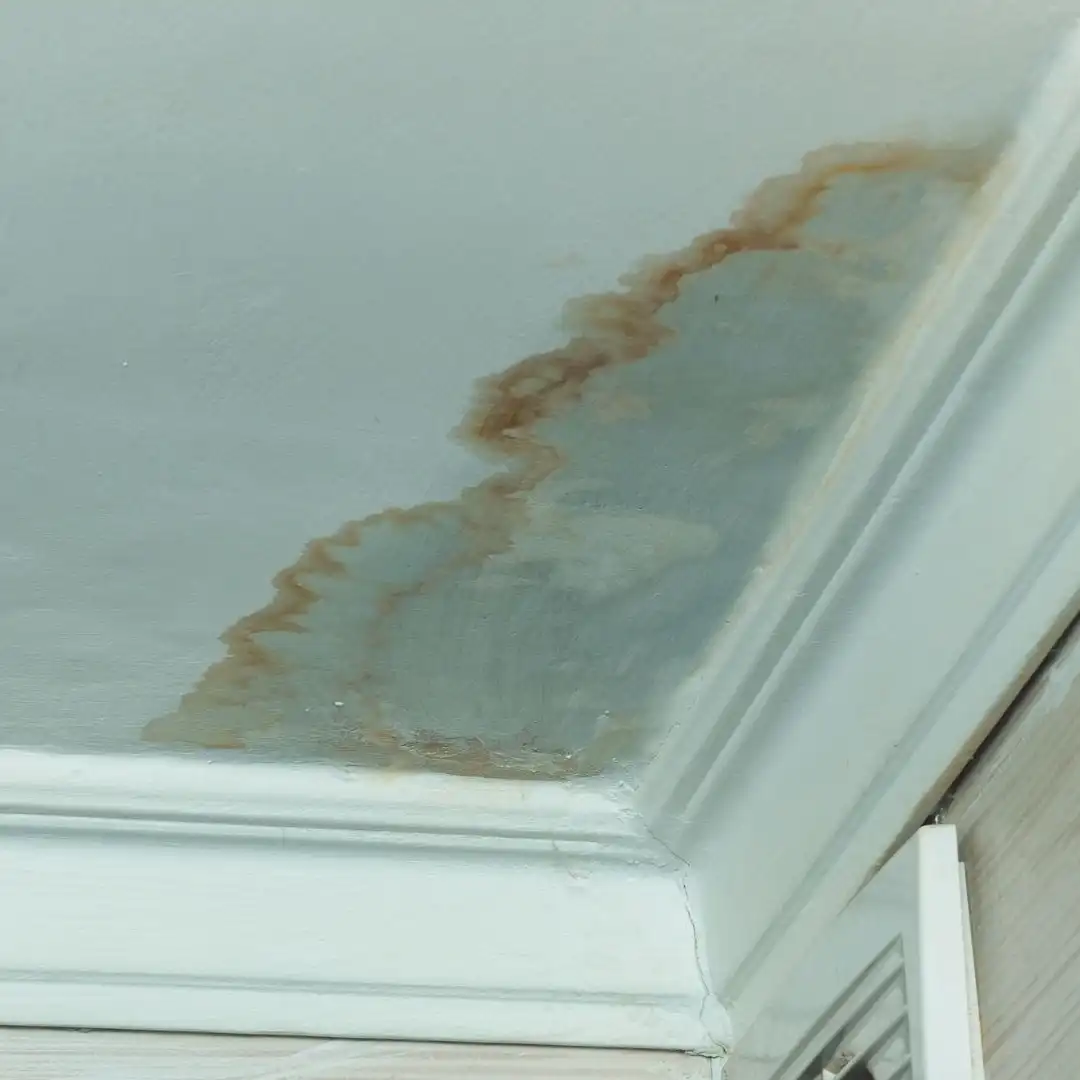
- The ceiling is bowed, stained in a growing ring, or dripping in more than one spot
- The water is grey or black, or you smell sewage
- More than one room or one floor is involved
- The source is not fully stopped after 10 minutes of trying
- Anyone in the home has asthma, allergies, or a weakened immune system
A 60 minute response in Sheffield Park keeps a $3,000 cleanup from turning into a $15,000 rebuild. Sheffield Park Water Restoration is on call 24 7, and our crews arrive in most cases within 2 hours with extractors, air movers, and dehumidifiers already loaded.
Step 2: Kill the Power (Minutes 5 to 10)
Water and electricity share floors and outlets. Treat every wet room as live until proven otherwise.
- Flip breakers for affected rooms at the panel, not the wall switches
- If the panel itself is wet, do not touch it. Call the utility
- Unplug electronics only if the floor and your hands are dry
- Assume submerged outlets and cords are compromised
- Gas appliances: if water has reached a furnace or water heater burner, shut off the gas at the appliance valve
- Battery backups and UPS units: power them down manually, they will keep feeding voltage even with the breaker off
Step 7: Make the Call (Minute 55 to 60)
Have this information ready when you dial:
- Type of water: clean supply, grey (appliance/shower), or black (sewage/storm)
- Approximate square footage affected
- Number of floors involved
- Whether the source is stopped
- Materials affected: carpet, hardwood, tile, drywall height
- Your insurance carrier (we can bill direct in most cases)
- Access notes: gate codes, parking, which door to use
Sheffield Park Water Restoration dispatches IICRC certified crews in Sheffield Park in most cases within 2 hours of your call.
Step 6: Start Surface Water Removal (Minutes 40 to 55)
Anything you remove now is water a dehumidifier does not have to pull from materials later.
- Wet/dry shop vac for standing water on hard floors
- Towels and mops for thin layers
- Squeegee water toward a floor drain if you have one
- Open windows only if outdoor humidity is lower than indoor (cool, dry days)
- Run AC in summer to start pulling humidity down
- Do not use a household vacuum or carpet shampooer
If standing water is more than an inch deep or covers multiple rooms, stop and wait for professional water damage restoration equipment. truck mounted extractors pull 10 to 20 times more water per minute than a shop vac.
Step 4: Document Before You Touch (Minutes 15 to 25)
Your insurance adjuster will ask for this. Photograph first, move second.
- Wide shots of every affected room
- Close ups of the source (burst pipe, overflowing fixture, ceiling stain)
- Serial numbers on damaged appliances
- Contents: furniture, rugs, electronics, framed art
- A short video walkthrough with narration of what happened and when
- Time stamps on at least a few photos (most phones embed this automatically)
- The water line on baseboards and walls before you start extracting
If you need help with the claim side, our walkthrough on how to file a water damage insurance claim covers the full process.